 |
October 23rd, 2014

Each Year Wurch Electric takes time to host his annual BBQ for his staff.

This year Sept 26,2014 was going to be a special day. Since one of his employee has worked for him for 20 years.
Stan Kern join Wurch Electric 20 years ago and has been a great asset to the company.

 
Stan put out a challenge to Don that he could move more gum balls then Don using a straw.
As you will notice employee always try to get the upper hand on there boss.

The evening was a success with great employee who put a hard work to keep Wurch Electric on top.

Thanks again for making this a great evening
Tags: don wurch, electric contactor, Family owner Electric Contractor, Stan Kern Electrician, Winnipeg Electrical Contractor
Category:
Educational Purpose| No Comments »
August 27th, 2014
Here’s one thing you might want to do if you’re going away for the long weekend.
  Unplug those vampire electronics. Computers, printers, phone chargers, gaming consoles and DVD players all eat away at your energy bill even if they are turned off. This is something you should always do, not only if you go away, as it could save you money on your electric bill. For more energy efficiency tips check out these posts. Unplug those vampire electronics. Computers, printers, phone chargers, gaming consoles and DVD players all eat away at your energy bill even if they are turned off. This is something you should always do, not only if you go away, as it could save you money on your electric bill. For more energy efficiency tips check out these posts.
Source: 
Tags: Computers, dvd players, gaming consoles, phone chargers, printers, saving money on electric bill, wurch electric.
Category:
Educational Purpose| No Comments »
August 7th, 2014
With electricity prices forecasted to rise nearly 40 per cent in Alberta in May and rates rising during the peak air conditioning season in Ontario, homeowners concerned about their rising energy bills need to be more conscientious about how they use energy. Unfortunately, each year, many homeowners waste hundreds of dollars on unnecessary energy costs because they’re unaware of simple money-saving strategies.Direct Energy Home Services wants to help homeowners identify the biggest energy wasters in their homes that increase their monthly energy bill. This includes making sure equipment is working properly, identifying household appliances and devices that consume electricity when they’re in standby mode, and understanding which energy efficiency upgrades provide the largest return on investment.Rising energy costs may be out of your hands, but here are some ways you can gain control over your energy use and budget:
1. Beware of vampire electronics. These are devices around the home which constantly draw power while plugged in. The biggest culprits are computers and printers, phone chargers, gaming consoles and DVD players. To alleviate this, unplug electronics when they aren’t in use.

2. Use energy-saving light bulbs. They can last up to ten times longer than an incandescent bulb and use up to 75 per cent less energy. A single 20 to 25 watt energy-saving bulb provides as much light as a 100-watt incandescent bulb while also emitting less heat.
3. Consider upgrading the windows in your home. Select high efficiency windows with low-e coatings, argon gas fill and insulated spacers.

4. Out with the old, in with the new. Consider upgrading your old furnace to a new energy efficient unit. An older conventional burning furnace operates at 60 per cent efficiency meaning 40 cents of every dollar you spend on heating your home is going right up the chimney. A new high-efficiency furnace operates at over 90 per cent; wasting less than 10 cents on every dollar you spend heating your home.

5. Install a programmable thermostat if you don’t have one already and set the times and temperatures to match your schedule. Also, consider having the thermostat turn off your air conditioner at night.
6. Use appliances efficiently. Microwaves use substantially less energy than ovens so opt to use one when cooking and reheating items. Also, defrost your freezer regularly. When ice builds up, your freezer uses more electricity. You should also keep your freezer at least three quarters full for maximum efficiency. You can even consider removing that old fridge in your garage or basement if it’s only keeping that six-pack cold.

7. Stay in Shape: It’s important to have your furnace and air conditioner maintained and inspected every year. Consult the experts and book a pre-summer or early summer maintenance appointment with a licensed technician who can check that your system is ready for summer and performs more efficiently when higher temperatures put it to the test. A system that isn’t running properly can waste a lot of electricity and natural gas.
Source:
Information that is being provide is for Educational Purpose, Any electric work that is needing to be done, should be done by a Licensed Electrician.
Tags: Beware of vampire electronics, furnace and air conditioner maintained and inspected every year., programmable thermosta, upgrading the windows, upgrading your old furnace, Use appliances efficiently, Use energy-saving light bulbs.
Category:
Educational Purpose| No Comments »
January 27th, 2014

It is many homeowners’ goal to save energy in their homes and minimize their electric bills. Undoubtedly, electricity is the most basic service we need at home because we simply cannot function well without it. However, a lot of new appliances and gadgets are now operating without the use of electricity, which lowers our dependence on it. There are also things you can do around the house to help save energy and cut down on your electricity costs each month.
Here are a few effective home energy saving tips that will help you in increasing your savings:
- Make it a habit to turn off the lights when you leave a room. This is the simplest way to save energy. Also unplug all appliances when they are not in use because they still use a small amount of energy even when they are idle if they are plugged in.
- Replace incandescent light bulbs with compact fluorescent bulbs. Compact fluorescent bulbs are more expensive, but they use 75% less energy than traditional incandescent bulbs. Aside from that, they also last up to 10 times longer.
- Install outlet and light switch foam gaskets on your exterior walls. Electrical boxes that have switches and outlets extend into the wall cavity and can allow outside air infiltration. The insulate your hot water heater installed beneath the outlet and switch covers will minimize drafts.
- If your water heater is located in an area of the house that is unheated, insulate your hot water heater. Surrounding it with a water heater blanket can decrease stand-by heat loss by 25-40%.
- Be familiar with refrigerator cooling or condenser coils. The coils can be found by removing the cover panel located at the bottom of the front side of the refrigerator. The coils are more efficient when clean and dust-free. Use a vacuum nozzle to remove the dust once a year.
- Check your refrigerator temperature settings. Always inspect the door latch and seals of your fridge. To ensure an air tight fit and seal, replace old adhesive seals. Frost accumulation is inefficient, so defrost your freezer once in a while.
- During warmer weather, open all your windows to allow fresh air to come in rather than using your air-conditioning unit.
Source: Heather & Alan Davis
Information that is being provide is for Educational Purpose, Any electric work that is needing to be done, should be done by a Licensed Electrician.
Tags: fluorescent bulbs, foam gaskets on your exterior walls, insulate your hot water heater, save energy, unplug all appliances
Category:
Educational Purpose| No Comments »
January 20th, 2014
(NC) As the chill of the fall and winter seasons set in Canadians seek warmth – turning on the furnace and turning up the thermostat. Unfortunately this often results in higher energy bills.
Dave Walton, Director of Home Ideas at Direct Energy, has worked with thousands of homeowners to combat this challenge, providing energy-saving tips and advice about when to implement efficiency upgrades.
Here are some of the most effective ways Dave suggests for saving money on your energy bills this season:
• Furnace maintenance – Clean or replace your furnace filter every three months to save as much as five per cent off your heating bill. Also, most homeowners might not realize that if you own an older, conventional burning furnace, it operates at 60 per cent efficiency. That means that 40 cents of every dollar you spend heating your home goes right up the chimney. If your furnace is 17 years or older, consider upgrading to a high-efficiency furnace that could save as much as $565 per year on heating costs.
• Invest in a programmable thermostat – Knocking the temperature down and leaving it around 20 degrees at night and during the day when nobody is home can save as much as three to five per cent on heating bills.
• Sealing leaks – Up to 20 per cent of the heating and cooling costs in a home can be lost through poorly fitted windows and doors. Caulking and weather stripping around existing openings or installing new energy-efficient windows can save home owners as much as $150 a year on their energy bills.
More information is available online at www.davescorner.ca.
Source; www.newscanada.com
Information that is being provide is for Educational Purpose, Any electric work that is needing to be done, should be done by a Licensed Electrician.
Tags: electric, electricial contractor, Furnace maintenance, Invest in a programmable thermostat, Sealing leaks, wurch electric.
Category:
Educational Purpose| No Comments »
January 20th, 2014

Winter is just around the corner, do not get stuck shoveling your snow as your snow blower watches you
Time for a TUNE_UP
We offer outstanding service where we repair all makes and models of small engine equipment.
Call us at 204-229-7030
Our Business is located in South Winnipeg
Snow-Blower
TUNE-UP
$74.99
Labour charge
Labour includes carburetor, ignition and 12 point check.
Parts and Taxes extra
We do provide pick up services for your snow blower
Check us out online: http://www.williesfixitshop.com
Tags: smaill engine repair, snowblower, stalled engine, willies fix it shop
Category:
Educational Purpose| No Comments »
January 7th, 2014
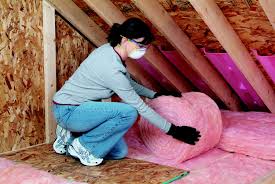
Insulating your attic is important for keeping your home warm and cozy during the cold winter months. Insulation is a material that contains tiny air pockets that trap heat. An insulated attic keeps the home warm during winter months and cool during hot summer months. Aside from maintaining the comfort of your home, it also helps conserve energy and save money. In addition, it also increases the value of your house because potential buyers view it as an update that will improve their daily lifestyle.
Below are a few tips will aid you in properly installing insulation in your attic:
- Choose attic insulation with a great R-value. R-value is the measure of insulation’s ability to resist heat flow. The higher the R-value, the better the thermal performance of the insulation. The insulation should be at least 9.5 to 12 inches with an R-value within the range of R-30 to R-38.
- The most commonly used insulation types are cellulose, fiberglass, and spray foam insulation. The R-values between cellulose and fiberglass insulation are the same, but they vary in thickness. Usually, cellulose insulation is 2-3 inches thinner than fiberglass insulation. They both provide proper insulation for your home, but they have different features. The downside of cellulose insulation is that it causes corrosion on metal objects; however, it can wholly insulate the wall and wall studs, thus providing total protection. Fiberglass insulation, on the other hand, does not cause corrosion, but it cannot flow around wall studs, so the insulation isn’t quite as airtight. On the other hand, there two types of spray foam: open cell and closed cell. The major advantage of using spray insulation is that it allows you to move the building envelope, which is the boundary between conditioned and unconditioned space.
- Install attic vents along the entire ceiling cavity to ensure maximum air flow.
- Place the insulation approximately 4 to 5 inches away from lighting features because they are the main source of heat loss in a home.
- The insulation should not cover areas of attic ventilation like roof vents, soffit vents, and gable vents. It is important to maintain air circulation in the attic to help keep things dry and warm.
Source : Heather & Alan Davis
Information that is being provide is for Educational Purpose, Any electric work that is needing to be done, should be done by a Licensed Electrician.
Message from Wurch Electric
Needing to Insulate your home, Contact 
We work with insulation from the two leading manufacturers of fiberglass blow in insulation:
- Super Pink manufactured by Owens Corning.
- Climate Pro manufactured by Johns Mansville

Tags: Climate Pro, fiberglass, Johns Mansville, Owens Corning., R-value., Super Pink
Category:
Educational Purpose| No Comments »
January 7th, 2014
(NC) Every neighbourhood has at least one: a house on the street that lights up in splendour throughout the holiday season. Decorations are in abundance both indoors and out, and just seeing the house brings on a smile. But as beautiful as it might be, that home may also be a safety risk if the decorator hasn’t followed precautions, like these offered by CSA Group, a leader in public safety testing and certification:
Creativity is key but not at the cost of safety – Let your inner designer shine, but be sure to follow the manufacturer’s instructions when arranging electrical items, such as lights or electronic decorations. Be sure to turn off the electricity to the supply outlet before working with outdoor wiring and never run an electrical cord through a doorway or under a carpet indoors.
Fakes are no laughing matter – Your next door neighbour dressed up as Santa is funny. Counterfeit decorations are not so funny. Look for the mark from an accredited certification organization (such as CSA Group) on animated displays, light strings and extension cords. Ensure decorations are marked and certified for outdoor use and follow the manufacturer’s instructions.
Keep the mood light but not fiery – Choose flame-resistant decorations and don’t place open flames or candles near flammable materials, such as wreathes, trees or paper decorations. Never nail or tack lighting strings to a wall as this may damage insulation and create a shock or fire hazard. Use insulated fasteners to hold light strings in place, rather than metal nails or tacks that could damage wiring.
Cozy up – Keep warm by the fireplace but be sure your gas appliances are in good working order. If the pilot light or flame goes out, turn the gas off and wait five minutes or longer (see the manufacturer’s instructions) before attempting to relight. Be alert for unusual odours or flames when your gas fireplace is on, often indicating that the fireplace is not operating properly. In such cases, contact your dealer or licensed technician for servicing.
Overload on food, not watts – Don’t overload extension cords. Use heavy duty extension cords for high wattage decorations and large electronically-animated displays.
For extreme decorators, make sure your house is capable of handling the electrical load of multiple lights and décor. If in doubt, contact a licensed professional to inspect your electrical system.
Source: www.newscanada.com
Information that is being provide is for Educational Purpose, Any electric work that is needing to be done, should be done by a Licensed Electrician.
Tags: Cozy up, Creativity is key but not at the cost of safety, don wurch, Fakes are no laughing matter, Keep the mood light but not fiery, Overload on food - not watts, wurch electric.
Category:
Educational Purpose| No Comments »
December 3rd, 2013
A wiring upgrade can be messy and expensive, but there are times when it’s necessary to protect the safety, convenience, and value of your home.
Even with adequate power, you may need to add outlets to avoid relying on power strips and extension cords. Image: © Masterfile
The lights come on when you flip the switch, the TV works, and the refrigerator keeps food cold. That means the electrical wiring must be fine, right? Not necessarily. There may be times, especially if your house is more than 40 years old, when you need to upgrade electrical wiring for safety, or because the existing wiring no longer meets your family’s power needs. Rewiring can be a messy and expensive proposition, but with a little upfront planning you can minimize the disruptions and even turn the job into an opportunity to add features that will increase the value of your home.
Safety issues with older wiring
Faulty wiring is the leading cause of residential fires, according to a 2009 study by the National Fire Prevention Association. And the older your house is, the greater the chances that the wiring might be outdated or unsafe.
Old wiring—even knob and tube wiring that dates back to the early 20th century—isn’t inherently dangerous, but unless you were around when the house was built, you can’t be sure the electrical system is up to code. Plus, materials such as wire insulation can deteriorate over time.
If you don’t know when your wiring was last inspected, it’s worth paying a licensed electrician to give it a once-over, especially if you have any of these warning signs:
- Breakers that trip or fuses that blow repeatedly
- A tingling sensation when you touch an appliance
- Flickering or dimming lights
- A persistent burning smell from a room or appliance
- Warm, discolored, or sparking outlets
- Two-prong ungrounded outlets throughout the house
- No ground fault circuit interrupter (GFCI) outlets in kitchens, baths, and other areas exposed to moisture.
Another reason to consider upgrading is that some carriers refuse to insure houses with older wiring, or charge owners higher premiums.
Be on the lookout for aluminum wiring
Instead of the standard copper wire, many houses built in the 1960s and early 1970s have aluminum wiring, which is considered a safety hazard. “Aluminum wiring connections often loosen up over time,” says Greg Fletcher, a master electrician, educator, and author of several books on wiring. “That can cause overheating and possibly fires at receptacles when appliances are plugged in to them.” An inspection can determine whether it’s safe to leave the wiring in place. Sometimes the addition of copper connectors, called pigtails, at receptacles and circuit breakers can resolve potential problems.
When you need more power
Sixty amps used to be the standard for household power. Today, houses often need 200 amps to run air conditioners, flat-screen TVs, computer equipment, and all the other gadgets our parents and grandparents hardly imagined.
Not having enough power isn’t just an inconvenience; it can actually damage sensitive electronics. “It’s very hard on these devices if the voltage drops off,” says San Francisco-based builder Bob Hauser. Even with adequate power, you may need to add outlets to avoid relying on power strips and extension cords, an inconvenience and a potential safety hazard.
Prepare to open your walls—and your wallet
Upgrading electrical wiring is a big job, for one simple reason: All the wires are behind the walls. Every house is different and prices vary by market, but for a whole-house rewiring job, you’re easily looking at a bill of several thousand dollars. The vast majority of that is the labor involved to get to the wires, run new ones, connect them to every switch and outlet, close up the holes, and clean up the mess.
The easiest time to tackle this work is during a larger remodeling project, such as redoing a kitchen or building an addition, when contractors are knocking holes in the walls anyway. That speeds the process, which can take anywhere from five days to two weeks for an entire house, according to Lansdale, Pa., electrical contractor Wes Carver.
Depending on the circumstances, though, you might not need a top-to-bottom rewiring. Examples are when you need to add circuits to run a new appliance or power an addition like a swimming pool. In those situations, the expense and disruption could be reduced.
Plan ahead for future power needs
If you’re going to spend the money and cut holes in the walls, you might as well run all the wires you can. That way, you’ll be ready for any possible future power needs. “There are things to be bought and plugged into a receptacle 10 or 20 years from now that are not even invented yet,” says Fletcher.
One smart investment is structured wiring. These are heavy-duty data cables that enable the latest features of TVs, stereo equipment, computers, game consoles, phones, security systems—even Internet-based remote control of house systems like heating and lighting. While a standard electrical upgrade essentially maintains the value of your home, adding structured wiring can increase it. According to a 2009 study by the Consumer Electronics Association and the National Association of Home Builders Research Center, almost 50% of homes built in 2008 included structured wiring, a sure sign of its growing value to home owners.
Here’s a checklist of questions to help you determine whether you’re due for a wiring upgrade.
Pat Curry Serial remodeler Pat Curry is a former senior editor at Builder, the official magazine of the National Association of Home Builders, and a frequent contributor to real estate and home-building publications.
Source : houselogic.com
Information that is being provide is for Educational Purpose, Any electric work that is needing to be done, should be done by a Licensed Electrician.
Tags: Electrical, Maintenance & Repair, Preventative Home Maintenance
Category:
Educational Purpose| No Comments »
November 5th, 2013
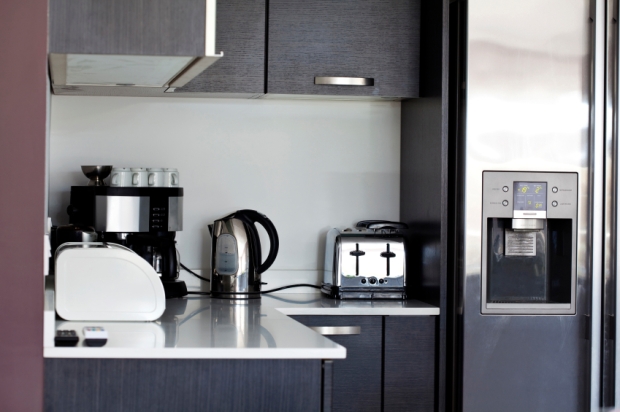
Modern kitchen appliances make our lives more convenient. Whenever we have limited time to prepare a meal, we can always pop something into the microwave. Ovens are essential when preparing big meals for holidays and for special occasions. And, of course, a refrigerator is a must for storing food and keeping everything fresh.
Though people tend to be drawn to big kitchen appliances, it’s good to remember how effective small appliances are as well. Toasters, coffeemakers, food processors, and blenders are also very helpful when it comes to keeping our kitchen functional and efficient.
What are some of the benefits of small appliances?
- Kitchen Organization – Small appliances are easy to store and do not require any floor space. You do, however, need to have enough counter space to use them. If you do not have room on your counters to keep them out all the time, tuck them away inside your kitchen cabinets or under the kitchen island.
- Time Efficiency – There is more time to spare if you have a coffeemaker making coffee for you in the morning while you’re getting dressed. You can heat your bread in a toaster while you prepare your things for work. Small appliances enable multi-tasking.
- Reduced Effort – You don’t have to chop as may fruits and vegetables when you’re preparing meals if you have a blender or a food processor around. They are also great for making purees and sauces, so you can be more in control of the ingredients in your food.
- Ease of Use – Small appliances are simple machines that do not need a lot of upkeep. Most of these appliances need only a plug-and-push mechanism in order to work. This makes kitchen processes much more convenient for you.
Small appliances can offer a number of advantages in your kitchen. They are also available at a reasonable price. Choose appliances that meet your needs, so you can be more efficient in your kitchen.
Source: Heather & Alan Davis
Information that is being provide is for Educational Purpose, Any electric work that is needing to be done, should be done by a Licensed Electrician.
Tags: blenders, coffeemakers, Ease of Use, food processors, kitchen functional and efficient, Kitchen Organization, Reduced Effort, Small appliances, Time Efficiency, Toasters
Category:
Educational Purpose| No Comments »
|
| |
|
|




 Voice
: 1.204.999.1008
Voice
: 1.204.999.1008